Pulling Carbon
from Thin Air


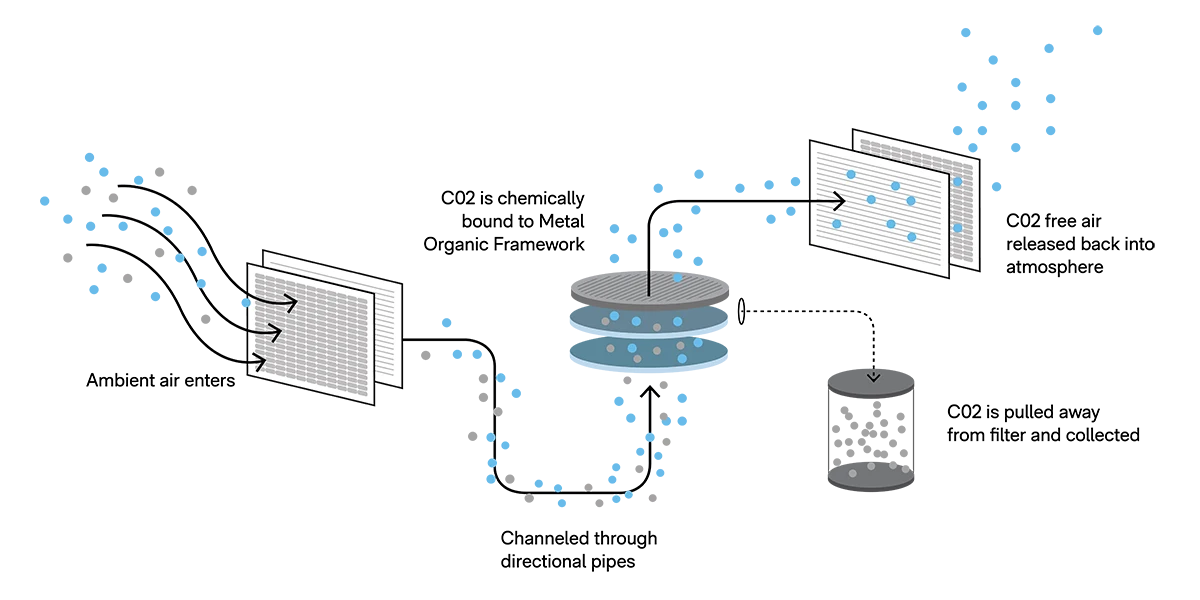
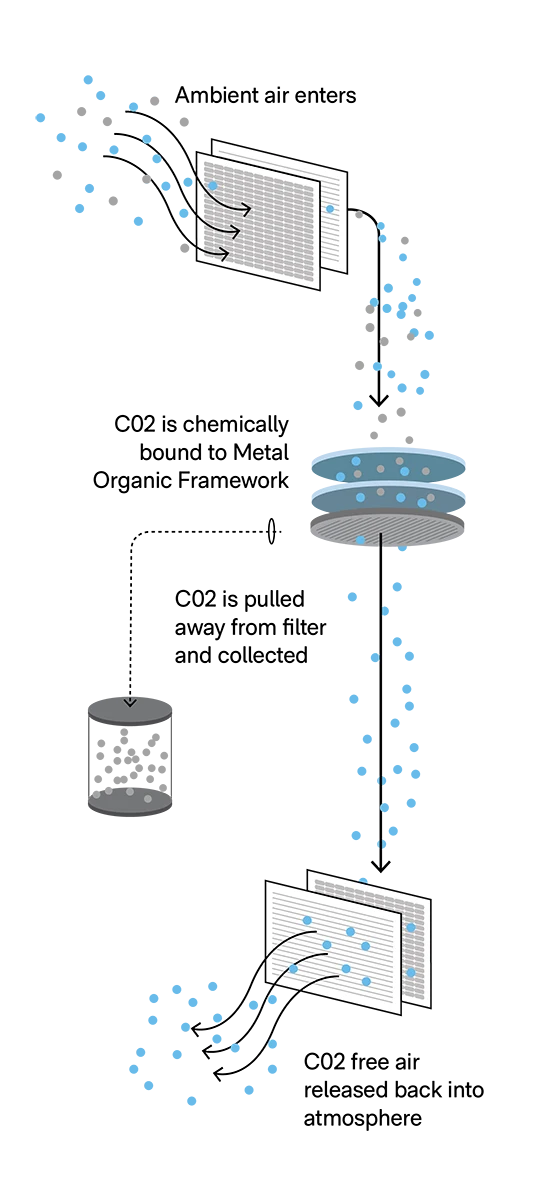
Direct Air Capture is a developing climate technology that removes carbon dioxide directly from the air. Air is passed through a solid material called a metal organic framework, or MOF, which selectively captures CO₂ while letting the rest of the air flow through. A small amount of heat or pressure then releases the CO₂ so the material can be reused.
Intro
Direct Air Capture (DAC)
Using Metal Organic Frameworks (MOF)


The Basics
Direct Air Capture is a climate technology that removes carbon dioxide directly from the air. Large volumes of air pass through a solid material called a metal-organic framework, or MOF, which selectively captures CO₂ while allowing the rest of the air to flow through. A small amount of heat or pressure then releases the captured CO₂ for permanent storage or reuse, allowing the material to be used again.


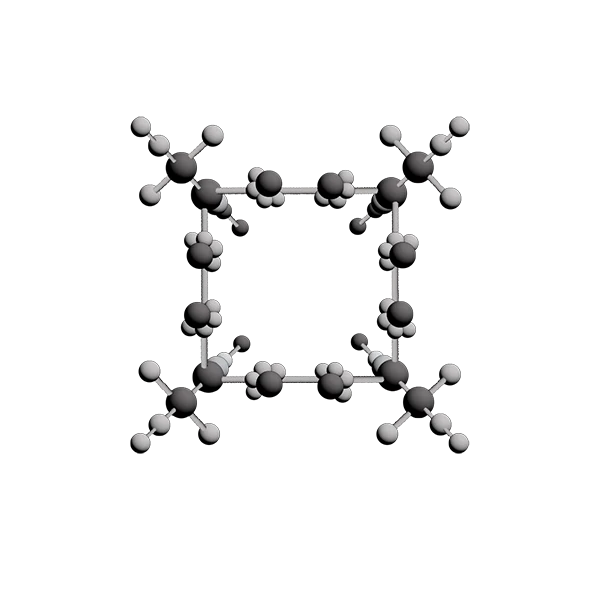
MOF Structure
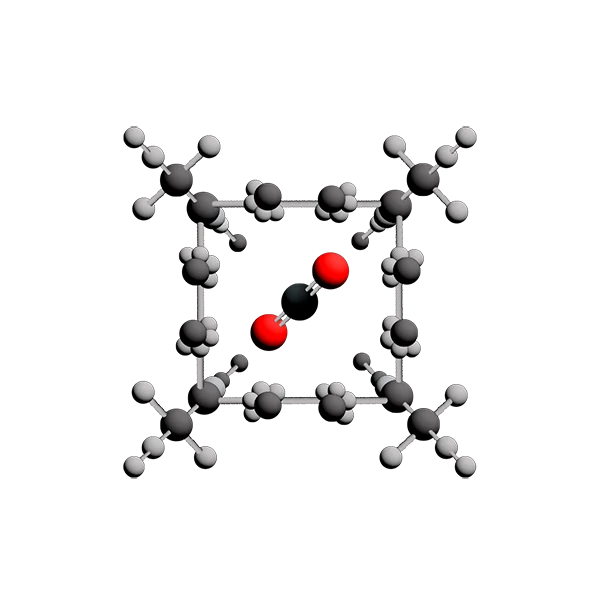
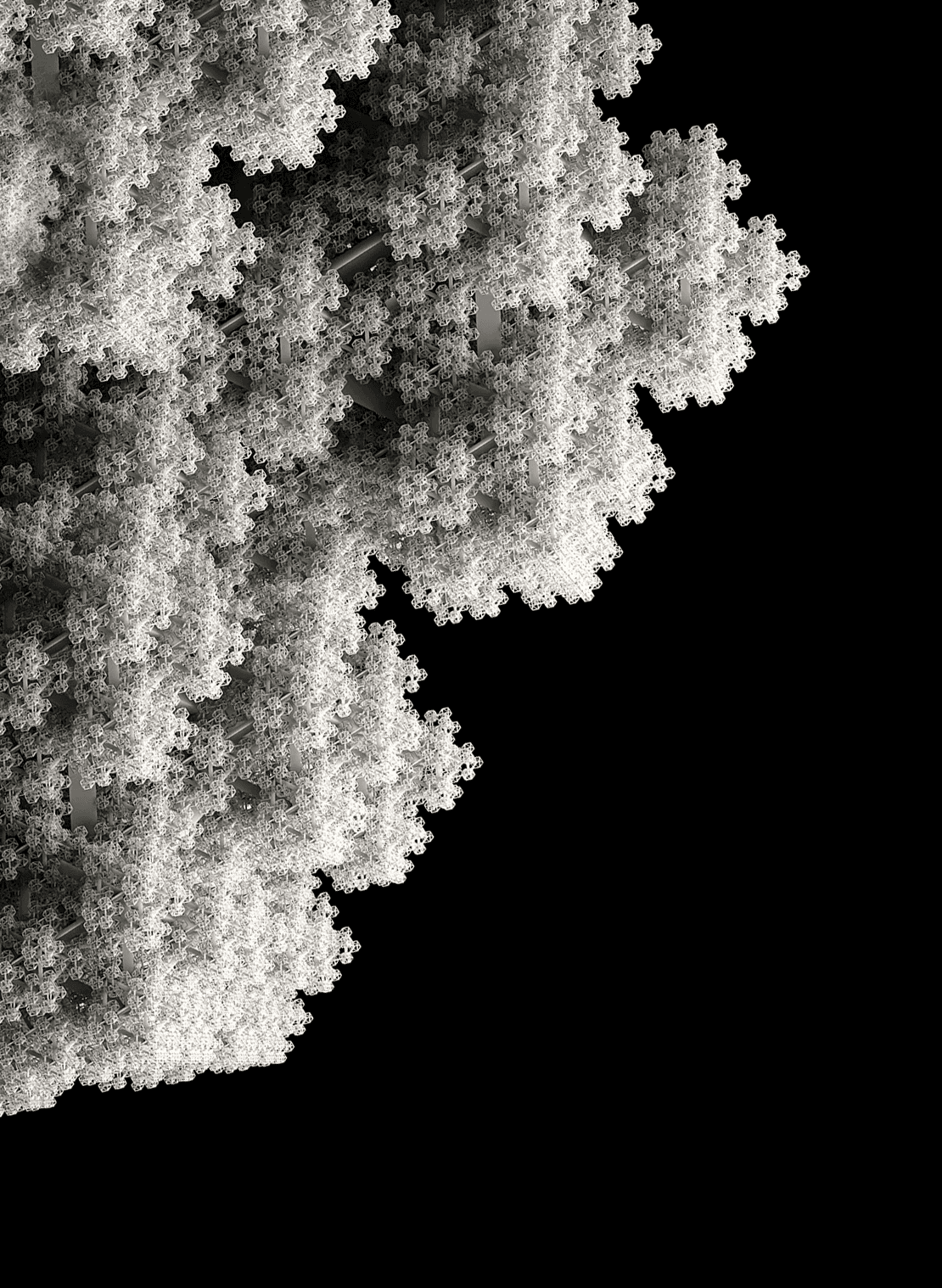
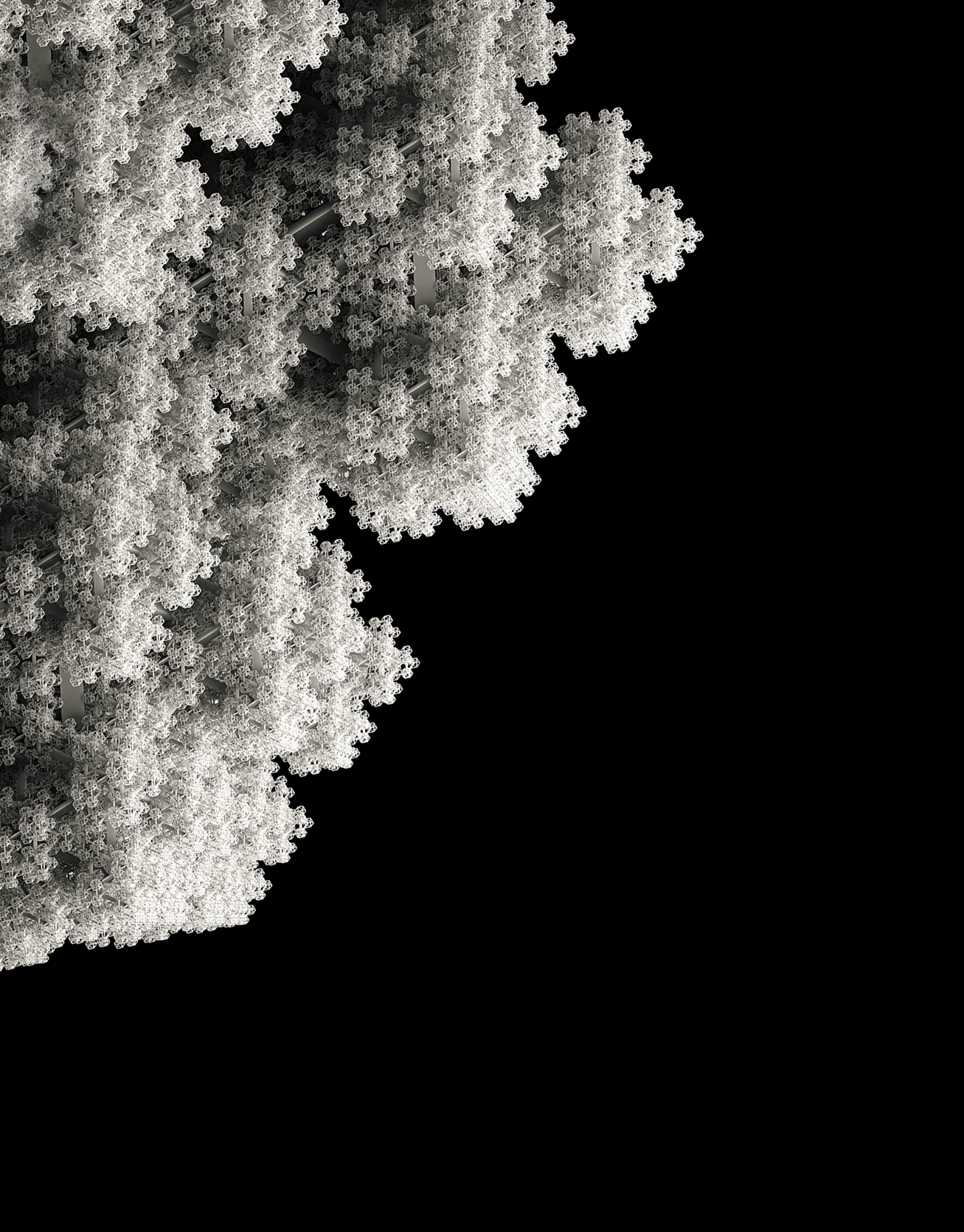
A metal-organic framework is a rigid, lattice-like structure built from metal nodes and organic linkers, creating an open network of microscopic pores with enormous internal surface area.


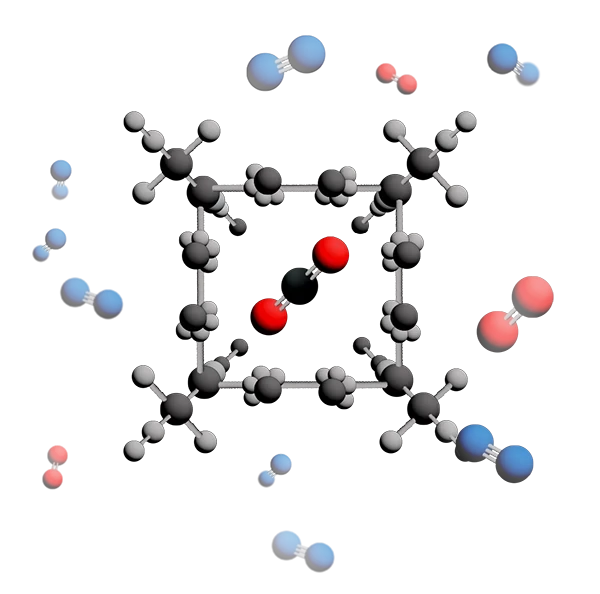
Capture
As air flows through the framework, carbon dioxide molecules are selectively attracted and drawn into the pores, while nitrogen, oxygen, and the rest of the air pass through freely.


Retention
Inside the pore, the CO₂ molecule remains intact and is held in place by weak molecular interactions, allowing the framework to retain carbon dioxide without altering its chemical structure.
The System
The System
This system is built for flow.
Air, capture, and release move as one process, where performance comes from movement.
This system is built for flow.
Air, capture, and release move as one process, where performance comes from movement.


MOF Molecule
MOF Molecule


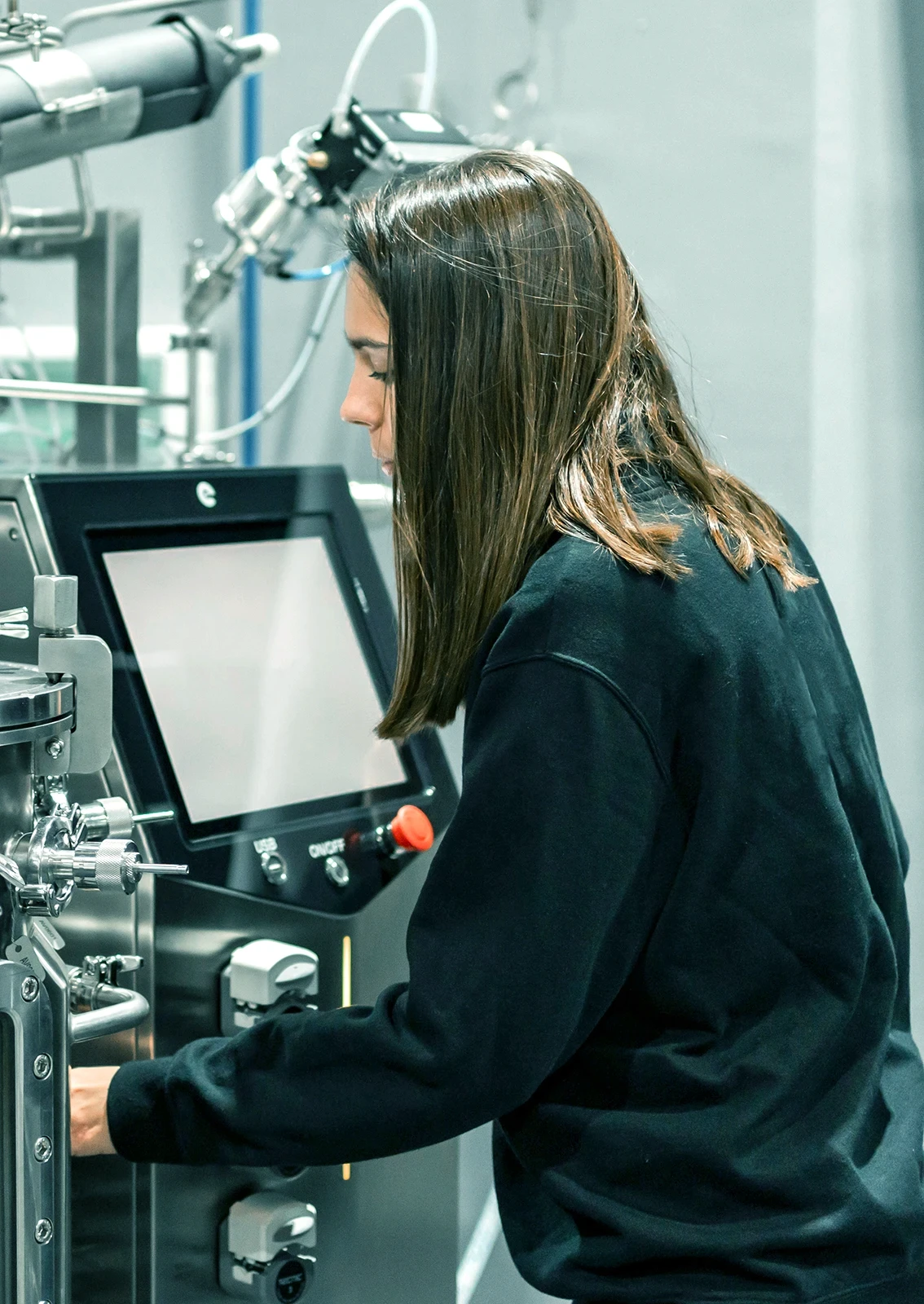
This pilot marks an early step in bringing our Direct Air Capture technology out of research and into real world operation. The system applies established carbon capture concepts in a modular format, allowing us to test new materials and designs under real Alpine conditions.
The focus of the pilot is learning and iteration: understanding how air moves through the system, how the materials perform over time, and how the technology can be improved as it scales.
Tech
Pilot Technology
Pilot Technology
Pilot Technology
Version 1.0
This pilot marks an early step in bringing our Direct Air Capture technology out of research and into real world operation. While our new technology is in its development phase, this system allows us to test our initial modular systems and designs under real Alpine conditions. The focus of the pilot is learning and iteration: understanding how air moves through the system, how the materials perform over time, and how the technology can be improved as it scales.


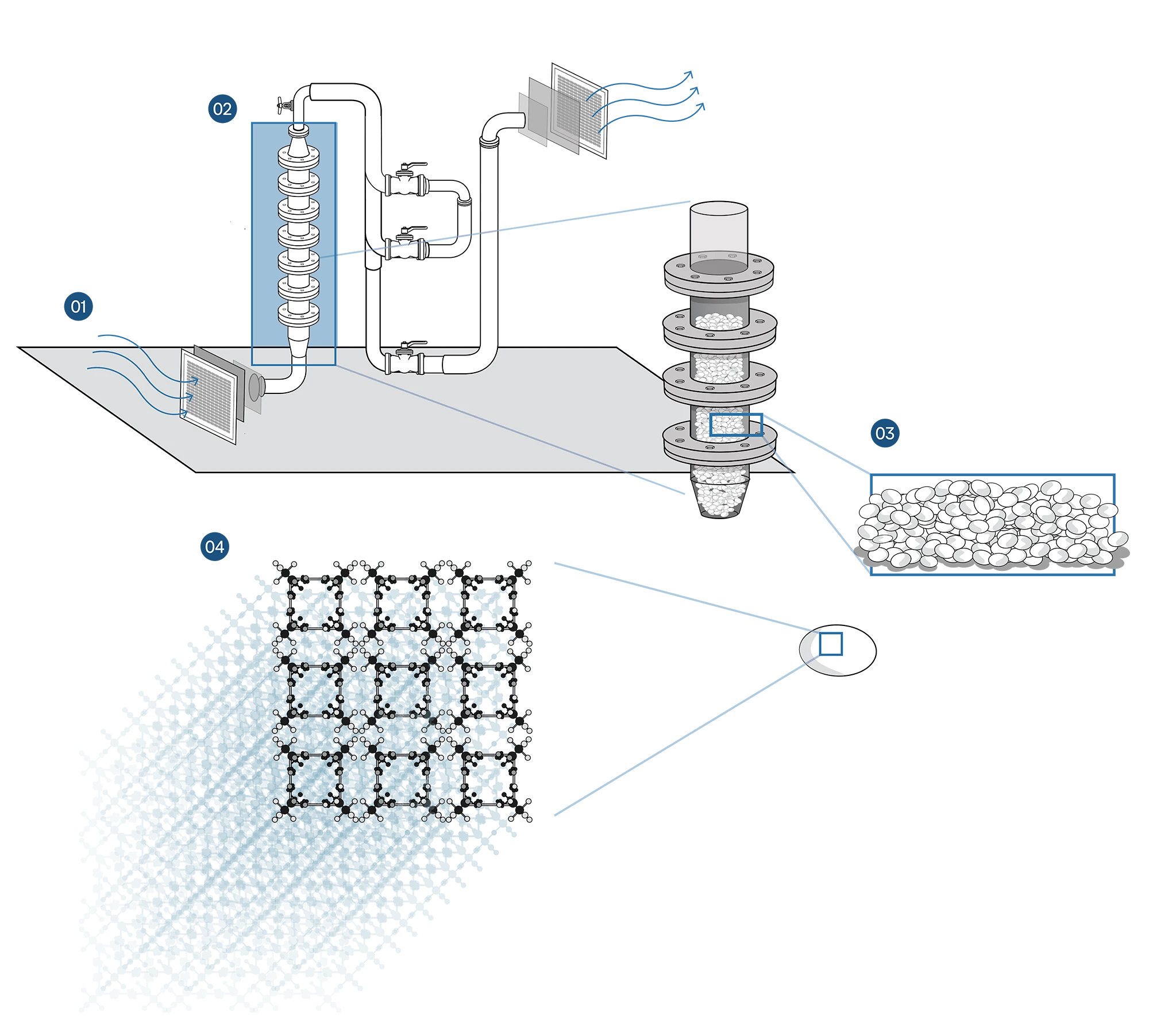
01
Alpine Air Intake
CO₂-rich alpine air is drawn naturally into the system using pressure differentials created by the alpine environment minimizing the need for energy intensive fans or systems. Operating above 1,500m, the system benefits from cold, clean Alpine conditions that enhance adsorption efficiency and long-term reliability.
01
Alpine Air Intake
CO₂-rich alpine air is drawn naturally into the system using pressure differentials created by the alpine environment minimizing the need for energy intensive fans or systems. Operating above 1,500m, the system benefits from cold, clean Alpine conditions that enhance adsorption efficiency and long-term reliability.
01
Alpine Air Intake
CO₂-rich alpine air is drawn naturally into the system using pressure differentials created by the alpine environment minimizing the need for energy intensive fans or systems. Operating above 1,500m, the system benefits from cold, clean Alpine conditions that enhance adsorption efficiency and long-term reliability.
02
Reactor Column
Air flows through a vertical reactor column engineered to maximize contact time and surface area for efficient CO₂ capture. Inside the column, airflow passes over dense, 4mm MOF pellets, creating a durable, high-performance capture zone designed for continuous operation in Alpine conditions.
02
Reactor Column
Air flows through a vertical reactor column engineered to maximize contact time and surface area for efficient CO₂ capture. Inside the column, airflow passes over dense, 4mm MOF pellets, creating a durable, high-performance capture zone designed for continuous operation in Alpine conditions.
02
Reactor Column
Air flows through a vertical reactor column engineered to maximize contact time and surface area for efficient CO₂ capture. Inside the column, airflow passes over dense, 4mm MOF pellets, creating a durable, high-performance capture zone designed for continuous operation in Alpine conditions.
03
MOF Sorbent Pellets
The system uses solid, stone-like pellets that contain the active carbon capturing material. These pellets allow air to flow easily through the system while providing a durable, reusable surface for CO₂ to be captured and released repeatedly. Their solid form supports efficient airflow, mechanical stability, and long service life in demanding operating conditions.
03
MOF Sorbent Pellets
The system uses solid, stone-like pellets that contain the active carbon capturing material. These pellets allow air to flow easily through the system while providing a durable, reusable surface for CO₂ to be captured and released repeatedly. Their solid form supports efficient airflow, mechanical stability, and long service life in demanding operating conditions.
03
MOF Sorbent Pellets
The system uses solid, stone-like pellets that contain the active carbon capturing material. These pellets allow air to flow easily through the system while providing a durable, reusable surface for CO₂ to be captured and released repeatedly. Their solid form supports efficient airflow, mechanical stability, and long service life in demanding operating conditions.
04
Novel MOF
At the core of each pellet is a metal-organic framework, or MOF, an advanced material whose microscopic structure selectively captures carbon dioxide. Developed through decades of research in reticular chemistry, including Nobel Prize–recognized work by Omar M. Yaghi, these materials are tuned for cold, high-altitude conditions. The result is fast capture and release with low energy input, well suited for long-term operation in Alpine environments.
04
Novel MOF
At the core of each pellet is a metal-organic framework, or MOF, an advanced material whose microscopic structure selectively captures carbon dioxide. Developed through decades of research in reticular chemistry, including Nobel Prize–recognized work by Omar M. Yaghi, these materials are tuned for cold, high-altitude conditions. The result is fast capture and release with low energy input, well suited for long-term operation in Alpine environments.
04
Novel MOF
At the core of each pellet is a metal-organic framework, or MOF, an advanced material whose microscopic structure selectively captures carbon dioxide. Developed through decades of research in reticular chemistry, including Nobel Prize–recognized work by Omar M. Yaghi, these materials are tuned for cold, high-altitude conditions. The result is fast capture and release with low energy input, well suited for long-term operation in Alpine environments.

Our alpine advantage.

Energy Efficient
2x adsorption CO2 uptake. 7x faster regeneration with our novel MOF.
Our Alpine Advantage

Energy Efficiency
Our novel tech has 2x adsorption CO2 uptake. and has 7x faster regeneration with our novel MOF.

Energy Efficiency
Our novel tech has 2x adsorption CO2 uptake. and has 7x faster regeneration with our novel MOF.

Solar
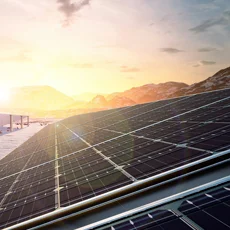
The intense high altitude sun powers the DAC. 3× the PV efficiency of typical solar power. Key when deployed in remote areas.

Solar
The intense high altitude sun powers the DAC. 3× the PV efficiency of typical solar power. Key when deployed in remote areas.

Mountain Air
Our MOF’s work better and more efficiently at low temperatures and low humidity, which you naturally get at high altitude.

Mountain Air
Our MOF’s work better and more efficiently at low temperatures and low humidity, which you naturally get at high altitude.

Saving Water
We operate without water, critical where water is vital. With no evaporation or resource draw, the carbon removal leaves no trace on local watersheds and restores ground water

Saving Water
We operate without water, critical where water is vital. With no evaporation or resource draw, the carbon removal leaves no trace on local watersheds and restores ground water

No Chemicals
Alpine X captures CO₂ without chemical solvents, using advanced materials that work through a safe, physical process. No reactive substances are handled, and no chemicals are emitted nor rejected.

No Chemicals
Alpine X captures CO₂ without chemical solvents, using advanced materials that work through a safe, physical process. No reactive substances are handled, and no chemicals are emitted nor rejected.

Human Design
Each structure is crafted to complement the Alpine landscape and reflect the community, being be both functional and beautiful.

Human Design
Each structure is crafted to complement the Alpine landscape and reflect the community, being be both functional and beautiful.
Let's Shape the Future of
Direct Air Capture.

Let's Shape the Future of
Direct Air Capture.

Let's Shape the Future of
Direct Air Capture.